Steel structures face constant exposure to moisture, chemicals, industrial pollution, and coastal air. Without proper protection, corrosion damages equipment, weakens structures, and increases maintenance costs.
Industries now look for long-lasting corrosion protection systems that improve durability and reduce downtime. Two widely used solutions are aluminium thermal spray coating and hot dip galvanizing.
Both methods protect steel surfaces, but they work differently and deliver different results. Many industries compare these two coating systems before selecting the right option for bridges, pipelines, marine structures, power plants, and industrial equipment.
In this blog, Kothari Metsol explains the key differences between aluminium thermal spray coating and hot dip galvanizing, including durability, corrosion resistance, cost, maintenance, and industrial applications.
What Is Aluminium Thermal Spray Coating?
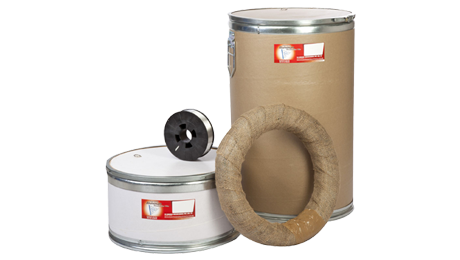
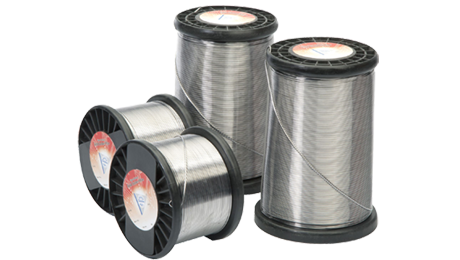
Aluminium thermal spray coating is a metal coating process that sprays molten aluminium particles onto a prepared steel surface. The process creates a protective aluminium layer that prevents corrosion and surface damage.
Industries use thermal spray systems like:
- Arc spray
- Flame spray
- Wire arc spray
Before coating, technicians clean the surface through abrasive blasting. This preparation helps the aluminium particles bond strongly with the steel surface.
The coating protects steel against:
- Rust
- Saltwater corrosion
- Moisture
- Chemical exposure
- Industrial pollution
- High temperatures
Common Applications of Aluminium Thermal Spray Coating
Industries use aluminium thermal spray coating for:
- Offshore platforms
- Coastal bridges
- Marine equipment
- Water treatment plants
- Storage tanks
- Refineries
- Power plants
- Industrial pipelines
- Structural steel
Because of its strong corrosion resistance, many industries prefer aluminium thermal spray coating for long-term infrastructure protection.
What Is Hot Dip Galvanizing?
Hot dip galvanizing protects steel by dipping the component into molten zinc. The zinc coating forms a protective barrier that reduces corrosion.
This process suits standard industrial and construction applications where moderate corrosion resistance works effectively.
Common Applications of Hot Dip Galvanizing
Hot dip galvanizing commonly protects:
- Steel poles
- Fencing
- Structural steel
- Agricultural equipment
- Transmission towers
- Construction components
The zinc coating offers reliable protection in normal atmospheric conditions.
Aluminium Thermal Spray Coating vs Hot Dip Galvanizing
Both coating methods protect steel, but their performance changes depending on the environment and industrial requirements.
1. Corrosion Resistance
Corrosion resistance remains the biggest factor in industrial coating selection.
Aluminium thermal spray coating performs extremely well in harsh environments such as:
- Coastal regions
- Offshore structures
- Chemical plants
- Marine industries
- High humidity areas
The aluminium layer creates strong protection against salt spray and aggressive corrosion.
Hot dip galvanizing also protects steel effectively, but zinc coatings may deteriorate faster in marine and highly corrosive environments.
Better Option:
Aluminium thermal spray coating
2. Service Life
Industries prefer coating systems that offer long operational life with minimum repairs.
Aluminium thermal spray coating can last more than 20 to 30 years when applied correctly with sealing systems.
Hot dip galvanizing also provides good durability, but exposure to harsh weather and industrial chemicals can reduce its lifespan.
Better Option:
Aluminium thermal spray coating
3. Application Flexibility
One major advantage of aluminium thermal spray coating is application flexibility.
Technicians can apply the coating directly on:
- Installed structures
- Large bridges
- Pipelines
- Storage tanks
- Offshore equipment
This process supports both workshop and on-site coating applications.
Hot dip galvanizing requires immersion inside a zinc bath. Large fabricated structures may create transportation and handling challenges.
Better Option:
Aluminium thermal spray coating
4. Heat Resistance
Many industrial structures operate under high temperatures.
Aluminium thermal spray coating performs better in heat-intensive environments such as:
- Refineries
- Boilers
- Exhaust systems
- Thermal power plants
Hot dip galvanized coatings may lose effectiveness under continuous high-temperature exposure.
Better Option:
Aluminium thermal spray coating
5. Maintenance Requirements
Maintenance directly affects operational costs.
Aluminium thermal spray coating offers low maintenance because the aluminium layer provides long-term corrosion resistance.
Hot dip galvanized surfaces may require earlier repair or recoating in aggressive environments.
Better Option:
Aluminium thermal spray coating
6. Initial Cost
Hot dip galvanizing usually costs less for smaller steel components and standard applications.
However, aluminium thermal spray coating often delivers better long-term value because industries spend less on maintenance, repair, and replacement.
Better Option:
Depends on project requirements
Comparison Between Aluminium Thermal Spray Coating and Hot Dip Galvanizing
| Feature | Aluminium Thermal Spray Coating | Hot Dip Galvanizing |
|---|---|---|
| Corrosion Resistance | Excellent | Good |
| Marine Protection | Excellent | Moderate |
| Heat Resistance | High | Medium |
| On-Site Application | Yes | No |
| Service Life | 20–30+ Years | 10–20 Years |
| Maintenance | Low | Moderate |
| Best for Coastal Areas | Yes | Limited |
| Initial Cost | Moderate | Lower |
Why Industries Choose Aluminium Thermal Spray Coating
Modern industries now focus on lifecycle cost instead of only initial investment. Aluminium thermal spray coating helps industries:
- Reduce corrosion damage
- Increase asset life
- Lower maintenance expenses
- Improve structural reliability
- Protect critical infrastructure
- Improve operational efficiency
Industries that face coastal exposure and industrial pollution often choose aluminium thermal spray coating for long-term protection.
Why Choose Kothari Metsol?
Kothari Metsol supplies high-quality aluminium thermal spray coating materials for industrial applications across multiple sectors.
Our coating solutions support:
- Consistent spray performance
- Better adhesion
- Long-term corrosion protection
- Industrial durability
- Reliable coating quality
We help industries improve performance with trusted thermal spray coating solutions designed for demanding industrial conditions.
Conclusion
Both coating systems offer corrosion protection, but the right choice depends on your industrial environment and long-term performance goals.
If your project involves:
- Coastal structures
- Offshore platforms
- Industrial plants
- High humidity exposure
- Long service life requirements
then aluminium thermal spray coating provides better performance, durability, and lifecycle value.
Hot dip galvanizing remains suitable for standard industrial applications where environmental exposure remains moderate.
For industries that require reliable corrosion protection and long operational life, aluminium thermal spray coating continues to be the preferred solution.
Frequently Asked Questions
What is aluminium thermal spray coating?
Aluminium thermal spray coating is a corrosion protection process that sprays molten aluminium onto steel surfaces to prevent rust and environmental damage.
Is aluminium thermal spray coating better than hot dip galvanizing?
Yes. Aluminium thermal spray coating offers better corrosion resistance, longer service life, and stronger marine protection compared to hot dip galvanizing.
Where is aluminium thermal spray coating used?
Industries use aluminium thermal spray coating for bridges, pipelines, offshore structures, power plants, tanks, and marine equipment.
How long does aluminium thermal spray coating last?
With proper application and sealing, aluminium thermal spray coating can last more than 20 years.
Can aluminium thermal spray coating resist saltwater corrosion?
Yes. Aluminium thermal spray coating performs very well in coastal and offshore environments because it resists saltwater corrosion effectively.
Which coating requires less maintenance?
Aluminium thermal spray coating usually requires less maintenance because it offers strong long-term corrosion protection.