Zinc Rod for Sacrificial Protection: Sizing Guide
A zinc rod doing its job correctly looks like it’s slowly disappearing – that’s the entire point. It’s sacrificing itself so the steel structure it protects doesn’t corrode. But get the sizing or alloy grade wrong, and that sacrifice either happens too fast, too slow, or not effectively at all.
Zinc rod is one of the most common forms of sacrificial anode used in cathodic protection, valued for its predictable corrosion behavior and straightforward installation across tanks, pipelines, and structural applications. Getting the specification right – sizing, alloy grade, and installation method – determines whether it delivers years of reliable protection or falls short of its intended service life.
This guide walks through how zinc rod sacrificial protection actually works, how to size and select the right grade, installation best practices, and what factors affect zinc rod price.
What Is Zinc Rod and How Does Sacrificial Protection Work?
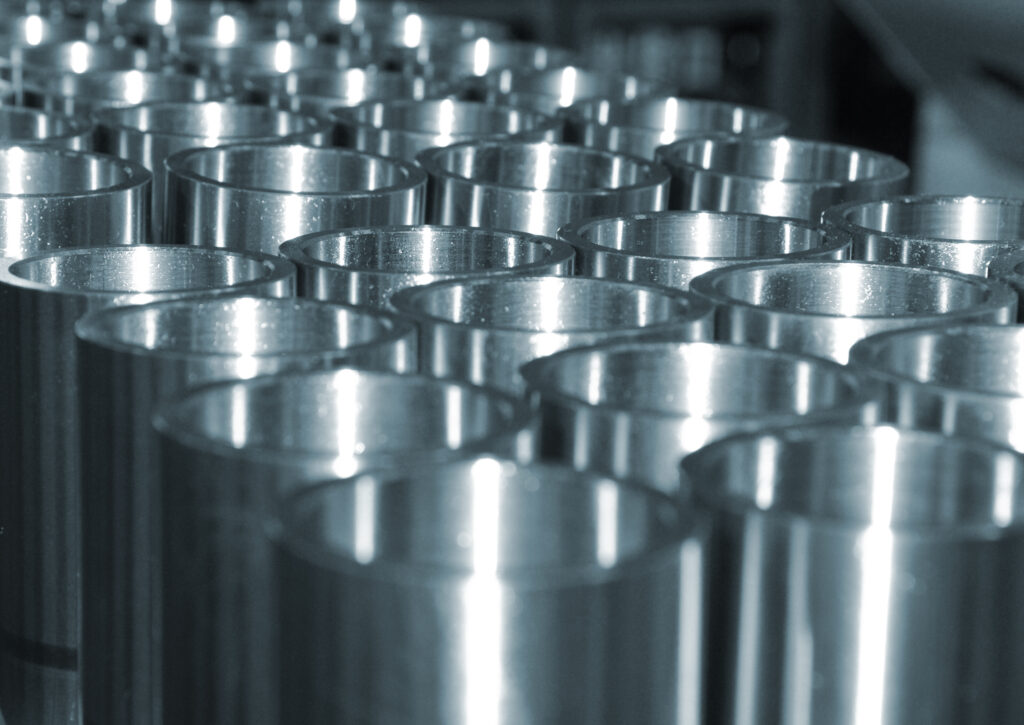
A zinc rod is a cylindrical sacrificial anode made from a zinc alloy, used in cathodic protection systems to prevent corrosion of steel or other structural metals it’s electrically connected to. Because zinc is more electrochemically reactive than steel, it corrodes preferentially – protecting the connected structure by sacrificing itself instead.
This works through a galvanic circuit: the zinc rod releases electrons that suppress the oxidation reaction occurring on the protected metal surface. Over time, the rod gradually depletes as it performs this protective function, eventually requiring replacement once it’s sufficiently consumed.
Common Zinc Rod Uses
Zinc rod uses span a range of industrial and residential applications:
- Water heater tanks – one of the most common applications, where a zinc rod protects the steel tank shell from internal corrosion
- Marine vessels and equipment – hull fittings, engine components, and other submerged metal parts requiring localized protection
- Underground and buried steel structures – pipelines and storage tanks benefiting from sacrificial protection against soil corrosion
- Industrial tanks and vessels – process equipment exposed to corrosive liquids or environments
- Boat and dock hardware – propellers, shafts, and other submerged metal components in marine environments
Zinc Rod Alloy Grades Explained
Zinc rod isn’t typically pure zinc – it’s usually alloyed with small, controlled amounts of aluminium, cadmium, or other elements to maintain consistent electrochemical activity and prevent passivation, a condition where the rod stops corroding effectively and fails to protect the structure.
Different alloy grades are formulated for different environments – freshwater, saltwater, and soil applications each have slightly different optimal compositions, since environmental chemistry affects how the zinc alloy performs electrochemically. Buyers should confirm which alloy grade suits their specific application rather than assuming a general-purpose zinc rod fits every environment equally well.
How to Size a Zinc Rod for Your Application
Zinc rod sizing depends on several factors that determine how much total anode mass your application needs:
- Surface area of the structure being protected determines the total protective current demand the rod system needs to supply over its service life.
- Environmental exposure – freshwater, saltwater, soil, or industrial atmosphere – affects both current demand and the rod’s consumption rate.
- Design service life requirements determine how much total zinc mass is needed before the rod requires replacement.
- Water chemistry, for tank applications – factors like water hardness and mineral content can affect zinc rod consumption rate in water heater applications specifically.
Manufacturers experienced in cathodic protection applications can help calculate the right zinc rod size and quantity based on your specific structure and environmental conditions, rather than relying on generic sizing assumptions that may under- or over-protect your system.
Installation Best Practices
- Ensure a clean, low-resistance electrical connection between the zinc rod and the protected structure, since a poor connection undermines the entire protective circuit regardless of rod quality.
- Position the rod for adequate exposure to the environment requiring protection, following manufacturer or engineering guidance for placement.
- Verify compatibility between the rod’s alloy grade and the specific environment – freshwater, saltwater, or soil conditions each favor slightly different formulations.
- Follow torque or fitting specifications precisely for threaded installations, such as water heater applications, to avoid leaks or connection failure.
- Document installation date and expected service life to plan for timely inspection and replacement before the rod fully depletes.
What Affects Zinc Rod Price
Buyers comparing zinc rod price across suppliers should understand what genuinely drives cost differences:
- Alloy composition and purity. Properly formulated alloys with controlled trace element content typically cost more to produce than generic zinc, but perform more reliably and predictably.
- Size and mass. Larger rods designed for bigger structures or longer service life naturally cost more per unit due to increased zinc content.
- Manufacturing quality control. Suppliers who test current output and consumption rate consistency typically price differently than those without documented testing.
- Manufacturer vs reseller markup. Buying directly from a manufacturer generally avoids the additional margin a reselling supplier adds on top.
When evaluating zinc rod price quotes, ensure you’re comparing identical alloy specifications and dimensions, since a lower price sometimes reflects reduced purity or undocumented consumption rate performance.
Choosing Between Zinc Rod Suppliers
Not all zinc rod suppliers offer the same level of quality assurance. When evaluating options, look for:
- Documented alloy composition and purity certification for each batch
- Current output and consumption rate performance data
- Sizing guidance based on your specific application rather than generic recommendations
- Manufacturing transparency – whether they produce rods in-house or resell from another source
- Technical support for application-specific questions during selection and installation
Signs Your Zinc Rod Needs Replacement
A zinc rod nearing the end of its service life typically shows significant visible consumption – a substantially reduced diameter or length compared to its original size. In water heater applications specifically, manufacturers often recommend periodic inspection since consumption rate varies with water chemistry. For structural or marine applications, scheduled inspection intervals based on the original sizing calculation help ensure replacement happens before protection is compromised.
Common Mistakes to Avoid
- Using a generic zinc rod without confirming alloy suitability for your environment. Freshwater, saltwater, and soil applications each benefit from different alloy formulations.
- Undersizing the rod to save on upfront cost. This shortens effective service life and increases replacement frequency, often costing more over time than proper sizing.
- Neglecting the electrical connection quality during installation. A poor connection can render an otherwise correctly sized rod ineffective.
- Not tracking installation date or inspection schedule. Without this, a fully depleted rod can go unnoticed, leaving the structure unprotected.
- Choosing zinc rod suppliers based on price alone without verifying purity documentation. Lower-cost rods often reflect reduced alloy quality, undermining long-term protection.
Frequently Asked Questions
1. What is zinc rod used for? Zinc rod is used as a sacrificial anode in cathodic protection systems, most commonly in water heater tanks, marine equipment, underground pipelines, and industrial vessels to prevent corrosion of the protected steel structure.
2. How does zinc rod protect against corrosion? Zinc rod works through galvanic protection, where zinc’s higher electrochemical reactivity causes it to corrode preferentially in place of the connected steel structure.
3. How do I choose the right zinc rod size for my application? Sizing depends on the surface area needing protection, environmental exposure conditions, and your required design service life – a manufacturer experienced in cathodic protection can calculate the right size for your specific application.
4. What affects zinc rod price? Alloy composition and purity, rod size and mass, manufacturing quality control and testing, and whether you’re buying from a manufacturer or a reselling supplier all affect zinc rod price.
5. How often does a zinc rod need to be replaced? Replacement frequency depends on the application, environmental exposure, and original sizing, but periodic inspection is recommended to check consumption rate and replace the rod before it’s fully depleted.
6. Are all zinc rod alloys the same? No, zinc rod alloys vary in composition depending on the intended environment – freshwater, saltwater, and soil applications typically require different alloy formulations for optimal performance.
7. What are the most common zinc rod uses beyond water heaters? Beyond water heater tanks, zinc rod is commonly used in marine vessel protection, underground pipeline systems, industrial storage tanks, and boat or dock hardware requiring corrosion protection.
8. How do I evaluate reliable zinc rod suppliers? Look for documented alloy purity and current output performance data, sizing expertise for your specific application, manufacturing transparency, and technical support during selection and installation.
Conclusion
Zinc rod remains one of the most reliable and widely used forms of sacrificial protection, but only when sized correctly, matched to the right alloy grade for your environment, and installed with proper electrical connection quality. Getting these details right protects your structure for its full intended service life and avoids the cost of premature failure or replacement.
Kothari Metsol Pvt. Ltd. has manufactured zinc-based industrial products since 1967, combining German technical heritage with stringent quality control to serve marine, industrial, and infrastructure sectors across India. If you’re evaluating zinc rod specifications for an upcoming project, our technical team can help you select the right size, alloy, and installation approach.
Explore our zinc rod range and request technical guidance or a quotation.