How to Choose the Right Tin Solder in 2026
Buying tin solder in 2026 means navigating more decision points than it did even a few years ago – compliance requirements have tightened, alloy options have expanded, and pricing volatility on tin and lead makes sourcing decisions matter more to the bottom line than ever.
Tin solder remains the foundation of virtually every soldered joint in electronics and industrial manufacturing, but “which tin solder” is no longer a simple question. Compliance status, form factor, alloy grade, and supplier reliability all need to align with your specific production requirements.
This guide walks through the decision process step by step, so procurement and engineering teams can choose the right tin solder – including where 63/37 tin lead solder stick still fits – without defaulting to habit or guesswork.
Start With Compliance: Leaded vs Lead-Free
Before evaluating alloy grades or suppliers, the first decision point is compliance status. If your finished product ships to the EU, US, or other RoHS/REACH-regulated markets, lead-free tin solder is mandatory, not optional. If you’re manufacturing for domestic industrial use, repair, or markets without lead restrictions, leaded tin solder – including 63/37 tin lead solder stick – remains a legitimate, widely used option.
This single decision filters out roughly half of your available options immediately, so it’s worth confirming clearly before moving to the next step.
Understanding Tin Solder Alloy Options in 2026
Leaded alloys center around 63/37 and 60/40 tin-lead compositions, both offering reliable, well-understood wetting behavior for applications where lead is permitted.
Lead-free alloys, standard for RoHS compliance, are predominantly SAC (tin-silver-copper) formulations, with SAC305 remaining the most common baseline choice for general electronics assembly.
Specialized alloys with added elements like nickel or bismuth are increasingly used in 2026 for applications demanding enhanced thermal fatigue resistance, particularly automotive and power electronics facing more demanding reliability requirements than in past years.
Choosing the Right Form: Sticks, Wire, or Bar
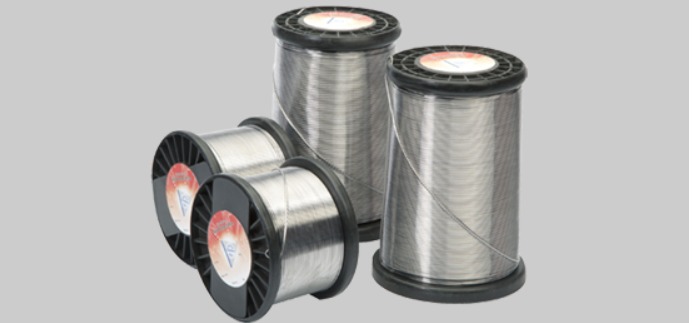
Tin solder is available as thin wire for hand soldering and fine-pitch work, or as solder sticks (also called soldering sticks or bars) for bulk dip soldering, wave soldering baths, and cable termination processes.
If your process involves melting solder in bulk quantities – wave soldering, terminal dip processes, transformer winding termination – solder sticks are the practical choice. If you’re doing hand soldering, rework, or fine-pitch assembly, wire is the better fit.
Where 63/37 Tin Lead Solder Stick Still Makes Sense
Despite the broader industry shift toward lead-free alloys, 63/37 tin lead solder stick continues to hold a legitimate place in 2026 manufacturing for several reasons:
Non-export industrial and repair work where lead restrictions don’t apply still benefits from 63/37’s predictable eutectic melting behavior and lower processing temperature.
Legacy equipment and processes calibrated around leaded solder’s characteristics can continue operating without the requalification effort a lead-free switch would require.
Cost considerations – 63/37 solder stick generally remains more cost-stable and predictable than some lead-free alternatives subject to silver price volatility.
Buyers should confirm with an experienced 63/37 solder stick manufacturer in India that their specific application still permits leaded solder before defaulting to it, since compliance requirements can vary by end market and customer specification.
Matching Tin Solder to Your Manufacturing Process
- Wave and dip soldering – solder sticks melted in a bath, requiring alloy consistency and controlled dross formation over extended production runs.
- Hand soldering and rework – flux-core wire in appropriate diameter for the joint size and component pitch involved.
- Automated reflow processes – solder paste rather than wire or sticks, though the underlying alloy selection logic (leaded vs lead-free, SAC grade) still applies.
- Terminal and cable lug soldering – solder sticks or thicker wire, often paired with separately applied flux for bulk work.
Evaluating Solder Stick Suppliers in 2026
Beyond alloy and form factor, supplier reliability matters more in 2026 given ongoing commodity price volatility and tighter compliance scrutiny. When evaluating solder stick suppliers, confirm:
- Documented alloy purity and composition testing for each batch
- Transparent, current pricing that reflects actual tin and lead market movement rather than outdated quotes
- RoHS compliance documentation, independently verifiable, for lead-free products
- Production capacity to support your order volume reliably, including recurring bulk orders
- Technical support to help match the right alloy and form to your specific process
Understanding Solder Stick 63 37 Price Trends
Solder stick 63 37 price in 2026 continues to track tin and lead commodity markets closely, with tin in particular seeing meaningful price movement due to global supply dynamics. Buyers should expect quotes to reflect current market pricing rather than fixed historical rates, and should request updated pricing regularly for recurring bulk orders rather than assuming stability.
Beyond commodity pricing, solder stick 63 37 price also varies based on alloy purity documentation, order volume, and whether you’re buying directly from a manufacturer versus a reselling supplier – the latter typically adding a margin layer on top of base material cost.
A Practical Selection Checklist
- Confirm compliance requirements (leaded permitted vs lead-free mandatory) for your specific end market.
- Select alloy family based on compliance status and application demands (standard SAC, specialized alloy, or 63/37).
- Choose form factor – solder stick for bulk processes, wire for hand and fine-pitch work.
- Verify purity and composition documentation from your chosen manufacturer.
- Request current, transparent pricing reflecting actual commodity market conditions.
- Confirm production capacity and reliability for your order volume and reorder cycle.
Frequently Asked Questions
1. Is 63/37 tin lead solder still used in electronics manufacturing in 2026?
Yes, 63/37 tin lead solder remains legitimately used in non-export industrial applications, repair work, and legacy processes where lead restrictions don’t apply, though RoHS-regulated export markets require lead-free alternatives.
2. How do I choose between leaded and lead-free tin solder?
The decision depends primarily on your end market’s compliance requirements – RoHS/REACH-regulated markets like the EU require lead-free solder, while many domestic industrial and repair applications still permit leaded alloys like 63/37.
3. What is the difference between solder sticks and soldering wire?
Solder sticks are solid bars used for bulk dip or wave soldering processes, while soldering wire is spooled and used for hand soldering, rework, or fine-pitch assembly work.
4. What determines solder stick 63 37 price in 2026?
Tin and lead commodity market pricing, alloy purity and quality documentation, order volume, and whether you’re sourcing from a manufacturer or reselling supplier all affect solder stick 63 37 price.
5. What tin solder alloy is best for automotive electronics manufacturing?
Lead-free alloys with added elements like nickel or bismuth are increasingly specified for automotive applications requiring enhanced thermal fatigue resistance under vibration and temperature cycling.
6. How do I find a reliable 63/37 solder stick manufacturer in India?
Look for a manufacturer with documented alloy purity testing, consistent batch quality, transparent current pricing, and technical support to confirm whether 63/37 fits your specific compliance requirements.
7. Does solder stick form factor affect price compared to solder wire?
Form factor itself has less impact on price than alloy composition and purity, though buyers should compare quotes based on equivalent weight or quantity rather than unit count alone.
8. What should I check before switching tin solder suppliers in 2026?
Verify alloy purity documentation, current pricing reflecting actual market conditions, production capacity for your order volume, and compliance certification if switching to or from lead-free formulations.
Conclusion
Choosing the right tin solder in 2026 comes down to a clear sequence: confirm compliance requirements first, select the alloy family that fits, choose the right form for your process, and verify your supplier can back up quality and pricing with real documentation. Whether that lands you on 63/37 tin lead solder stick or a lead-free alternative, the decision should follow your actual application requirements, not habit or the lowest quoted price.
Kothari Metsol Pvt. Ltd. has manufactured solder sticks, solder wires, and industrial soldering solutions since 1967, combining German technical heritage with rigorous quality control to serve electrical, electronics, and industrial manufacturing sectors across India. If you’re evaluating tin solder options for 2026 production planning, our technical team is ready to help you choose correctly.
Explore our 63/37 tin lead solder stick range and request technical guidance or a quotation.