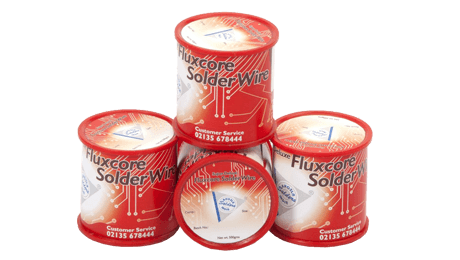
Soldering plays a key role in electronics manufacturing, PCB assembly, and electrical repair. The quality of solder wire affects the strength, conductivity, and reliability of joints. Two common types of solder wires used in the industry include solid solder wire and solder wire with flux.
Many engineers, technicians, and manufacturers often ask which solder wire works best for their projects. Understanding the difference between these two options helps you select the right product and achieve better soldering results.
As a trusted manufacturer, Kothari Metsol supplies high-quality soldering materials designed for reliable industrial performance.
What is Solid Solder Wire?
Solid solder wire contains only the metal alloy. It does not include flux inside the wire. Users must apply flux separately before soldering.
Manufacturers usually produce solid solder wire using alloys such as tin-lead or lead-free combinations. Technicians apply external flux to clean the metal surface and improve bonding.
Key Features of Solid Solder Wire
- Contains pure solder alloy without internal flux
- Requires separate flux application
- Suitable for controlled industrial soldering processes
- Works well in automated soldering systems
Common Applications
Solid solder wire works best in environments where operators already control the flux amount.
Typical uses include:
- PCB manufacturing lines
- Automated wave soldering processes
- Industrial electronic assembly
- Controlled repair work
What is Solder Wire with Flux?
Solder wire with flux contains a hollow core filled with flux material. When heat melts the solder wire, the flux releases automatically and cleans the metal surfaces.
This design makes soldering faster, cleaner, and easier. Technicians do not need to apply external flux.
Key Features of Solder Wire with Flux
- Flux located inside the wire core
- Automatic cleaning during soldering
- Faster and easier soldering process
- Ideal for manual soldering and repairs
Common Applications
Many professionals prefer solder wire with flux for quick and efficient soldering.
Common uses include:
- Electronics repair
- PCB assembly
- Electrical wiring
- DIY electronics projects
- Maintenance work
Difference Between Solid Solder Wire and Solder Wire with Flux
The main difference between the two types lies in the presence of flux inside the wire.
| Feature | Solid Solder Wire | Solder Wire with Flux |
|---|---|---|
| Flux Content | No internal flux | Flux inside the wire |
| Application | External flux required | No separate flux needed |
| Ease of Use | Requires more steps | Faster and easier |
| Best Use | Automated processes | Manual soldering and repair |
| Efficiency | Controlled industrial use | Quick soldering work |
Understanding this difference helps buyers select the right solder wire for their soldering requirements.
Advantages of Using Solder Wire with Flux
Many technicians and electronics manufacturers prefer solder wire with flux because it improves soldering efficiency.
1. Faster Soldering Process
Flux releases automatically when the wire melts. This step reduces preparation time and increases productivity.
2. Clean and Strong Joints
Flux removes oxidation from metal surfaces. This process creates smooth and reliable solder joints.
3. Easy to Use
Technicians can complete soldering without applying additional flux.
4. Ideal for Repair Work
Electronics repair professionals often choose solder wire with flux for quick maintenance tasks.
How to Choose the Right Solder Wire
Selecting the correct solder wire depends on the type of application.
Follow these simple guidelines:
Choose solid solder wire if:
- You use automated soldering machines
- You already control flux application
- You work in industrial production environments
Choose solder wire with flux if:
- You perform manual soldering
- You need quick and easy soldering
- You repair electronic components
- You want efficient solder joints
Many buyers prefer solder wire with flux because it simplifies the soldering process and saves time.
Why Industries Trust Kothari Metsol for Solder Wire
Quality solder wire improves product reliability and manufacturing efficiency. That is why industries choose trusted manufacturers.
Kothari Metsol offers premium soldering materials designed for consistent performance.
Key advantages include:
- High-purity solder alloys
- Reliable flux formulation
- Strong and durable solder joints
- Consistent manufacturing quality
- Products suitable for electronics and industrial applications
Explore high-performance soldering materials here
Best Practices for Using Solder Wire with Flux
Follow these tips to achieve better soldering results:
- Clean the surface before soldering
- Use the correct soldering temperature
- Avoid excessive solder usage
- Allow proper cooling time
- Use quality solder wire from trusted suppliers
These practices help produce strong electrical connections and long-lasting components.
Conclusion
Both solid solder wire and solder wire with flux serve important roles in electronics manufacturing. Solid solder wire suits automated production environments where technicians control flux separately.
However, solder wire with flux offers faster soldering, easier handling, and reliable results for manual work and repair applications.