
Choosing the right solder wire is important for achieving reliable joints, consistent wetting, appropriate melting behaviour and a clean finished assembly. The correct choice depends on more than just the solder alloy. Flux type, wire diameter, application, base metals, soldering temperature, joint size and post-soldering cleaning requirements all influence performance.
This solder wire buying guide explains how to compare solder alloys, flux types and wire diameters so you can select a solder wire according to the actual requirements of your application.
What Is Solder Wire?
Solder wire is a fusible metal alloy supplied in wire form and used to create a metallurgical bond between compatible surfaces. Flux may be incorporated inside the wire as a core or supplied separately to help remove surface oxides and improve wetting. The alloy, flux chemistry and wire diameter should be selected according to the application and process requirements.
Solder wire is commonly used in electronics, electrical assembly, industrial manufacturing, repair work, metal joining and other applications where controlled heat is used to form a soldered joint.
A solder wire specification can include several characteristics:
- Alloy composition
- Leaded or lead-free formulation
- Flux type
- Flux percentage
- Wire diameter
- Melting or soldering temperature range
- Residue characteristics
- Halide or halogen classification
- Purity and impurity limits
- Packaging and spool size
- Applicable standards
For electronic-grade solder, IPC J-STD-006 defines requirements and classification for solder alloys, fluxed and non-fluxed solid solders, including wire solder. The standard also identifies alloy composition, solder form, dimensional characteristics and flux-related classifications as part of solder material identification.
How Do You Choose the Right Solder Wire?
Choose solder wire by first identifying the application and base metals, then selecting a suitable alloy, flux chemistry and wire diameter. For electronics, electrical assemblies, industrial components or general metal joining, the required melting behaviour, wetting performance, residue requirements and cleaning process should all be considered before finalising the solder wire specification.
A practical selection process is:
- Identify the materials being joined.
- Determine whether leaded or lead-free solder is required.
- Select an alloy based on melting characteristics and application requirements.
- Choose the appropriate flux chemistry.
- Select wire diameter according to joint size and heat input.
- Check flux percentage and residue requirements.
- Verify applicable specifications or standards.
- Confirm compatibility through testing if the application is critical.
The most important point is that there is no single solder wire that is ideal for every application. A fine electronic connection and a large industrial joint may require completely different wire diameters, alloy systems and flux characteristics.
Solder Wire Alloys: Understanding the Main Options
Solder alloy determines the fundamental melting behaviour, composition and characteristics of the solder joint. Common choices include tin-lead alloys and lead-free alloys based on combinations such as tin, silver, copper, antimony or bismuth. The correct alloy should be selected according to application requirements, regulations, temperature limits and the materials being joined.
The alloy is the metallic part of solder wire. Different alloy compositions provide different combinations of:
- Melting temperature
- Solidification behaviour
- Wetting characteristics
- Mechanical properties
- Joint appearance
- Application suitability
- Regulatory compatibility
Common Solder Alloy Categories
| Alloy Category | Typical Characteristics | Common Considerations |
| Tin-Lead | Established soldering behaviour and relatively low processing temperatures | Lead restrictions may apply |
| Tin-Silver-Copper | Lead-free alloy family widely used for electronics | Generally requires higher soldering temperatures |
| Tin-Copper | Lead-free alternative with relatively simple composition | Application-specific performance must be evaluated |
| Tin-Antimony | Lead-free alloy option used in selected applications | Temperature and application compatibility should be checked |
| Tin-Bismuth | Lower-temperature lead-free option in suitable applications | Thermal and mechanical requirements need evaluation |
| Special Alloys | Designed for specific technical requirements | Selection should be based on application data |
The exact alloy designation should always be checked rather than relying only on descriptions such as “lead-free solder” or “low-temperature solder.”
For example, IPC J-STD-006 identifies solder alloys according to their composition and impurity requirements, with alloy names incorporating the component elements and nominal percentages by mass.
Leaded vs Lead-Free Solder Wire
Leaded and lead-free solder wire should not be treated simply as interchangeable versions of the same material.
Lead-free solder generally requires consideration of:
- Higher process temperatures
- Compatible components and substrates
- Soldering equipment capability
- Wetting behaviour
- Thermal sensitivity of the assembly
- Applicable environmental or customer requirements
When selecting lead-free solder wire, look at the actual alloy composition and technical documentation, rather than choosing a product only because it is labelled “lead-free.”
How Does Flux Work in Solder Wire?
Flux helps prepare metal surfaces for soldering by assisting oxide removal and improving wetting during the soldering process. In flux-cored solder wire, the flux is contained within the wire itself. Different flux chemistries provide different activity levels, residue characteristics and cleaning requirements, so flux selection should match the application.
During heating, metal surfaces can develop oxides that interfere with solder wetting. Flux helps address this surface condition so that molten solder can spread and form an effective joint.
However, flux is not simply an additive that makes every soldering process better. The chemistry needs to be appropriate for the materials, process and required residue characteristics.
Important flux-related parameters include:
- Flux chemistry
- Flux activity
- Flux percentage
- Halide content
- Residue characteristics
- Cleaning requirements
- Corrosion considerations
- Soldering temperature
IPC J-STD-004 provides classifications and test requirements for soldering fluxes, including flux used in flux-cored solder wire.
What Are the Different Types of Solder Wire Flux?
The main flux categories used with solder wire include rosin-based, no-clean, water-soluble and acid/inorganic flux systems, although specific formulations vary by manufacturer. Rosin and no-clean systems are commonly considered for electronic applications, while more active fluxes may be used for certain industrial metal surfaces. Flux residues and cleaning requirements must be checked before selection.
Rosin Flux
Rosin flux core solder wire systems are widely used for soldering applications where controlled flux activity and suitable residue behaviour are required.
They can be found in different activity levels and formulations, so “rosin” alone does not completely describe the performance of a solder wire.
No-Clean Flux
No-clean flux core solder wire systems are designed to leave residues that, under specified conditions, may not require a separate cleaning operation.
However, no-clean does not automatically mean residue is irrelevant. The actual formulation, process conditions and assembly requirements should be considered.
For example, commercial no-clean flux-cored wires are available in classifications such as ROL0 under IPC J-STD-004, depending on the specific formulation.
Water-Soluble Flux
Water-soluble flux systems are designed so that residues can be removed using an appropriate aqueous cleaning process.
They may be useful where post-solder cleaning is part of the manufacturing process. The cleaning procedure, water quality and process controls should be established before selecting this type of solder.
Acid or Highly Active Flux
Highly active acid-type fluxes can provide strong oxide removal and wetting on certain industrial metals.
However, they should not automatically be selected for electronic applications. Some acid flux residues can be corrosive and therefore require appropriate cleaning.
Kester, for example, specifically states that its acid-cored wire is not recommended for electrical or electronic soldering because of the corrosive nature of the residue.
This illustrates why flux selection should always be based on the intended application rather than simply choosing the most active flux.
How Do You Choose the Correct Solder Wire Diameter?
Choose solder wire diameter according to joint size, component spacing, solder volume and the level of process control required. Smaller diameters generally allow more controlled solder deposition on fine joints, while larger diameters can deliver more solder per application for larger joints. The correct diameter should also suit the soldering equipment and operator technique.
Common solder wire diameters may include approximately:
- 0.4 mm
- 0.5 mm
- 0.6 mm
- 0.8 mm
- 1.0 mm
- 1.2 mm
- 1.5 mm
- 2.0 mm
- 2.5 mm
- 3.0 mm
The actual sizes available depend on the manufacturer, alloy, flux system and application.
Solder Wire Diameter Selection Guide
| Application Type | Typical Diameter Direction | Why |
| Fine electronic connections | Smaller diameter | Better control over solder quantity |
| PCB hand soldering | Small to medium | Balances control and deposition rate |
| General electrical work | Medium | Suitable for moderate joint sizes |
| Connector and heavier joints | Medium to larger | More solder can be deposited efficiently |
| Industrial metal joining | Larger sizes may be suitable | Larger joints may require greater solder volume |
These are selection guidelines rather than universal specifications. The correct diameter depends on the actual joint geometry.
Solder wire manufacturers commonly offer multiple diameters for the same alloy and flux combination. For example, Kester’s product specifications show multiple wire sizes across individual solder formulations, demonstrating that diameter is an independent selection parameter rather than a fixed property of an alloy.
Why Does Solder Wire Diameter Matter?
Solder wire diameter directly affects how much solder is delivered during each application and how precisely an operator can control the joint. A smaller diameter is generally easier to control on small pads and fine connections, while a larger diameter supplies more material to larger joints. Choosing the wrong diameter can increase waste, rework or inconsistent solder volume.
Diameter affects:
- Solder deposition rate
- Operator control
- Joint fill
- Material consumption
- Heat transfer during application
- Risk of applying excessive solder
- Ease of working on fine-pitch components
For example, using a large-diameter solder wire on a small electronic pad can make it difficult to control the amount of solder deposited. Conversely, a very fine wire may require excessive feeding on a larger joint.
Therefore, diameter should be selected together with joint geometry rather than in isolation.
What Is Flux Percentage in Solder Wire?
Flux percentage indicates the amount of flux incorporated into a flux-cored solder wire and can influence flux delivery during soldering. A higher or lower flux percentage should not be judged as automatically better; the correct level depends on the flux chemistry, application, soldering process and required wetting performance. Always check the manufacturer’s technical specification.
Flux-cored solder wires are commonly identified using specific core sizes or flux percentages.
For example, Kester documentation identifies different core sizes corresponding to different flux percentages, including approximately 1.1%, 2.2% and 3.3% in certain product ranges.
When comparing two solder wires, do not compare only the alloy.
Check:
- Alloy composition
- Flux type
- Flux percentage
- Flux classification
- Wire diameter
- Lead content
- Halogen/halide characteristics
- Recommended application
- Cleaning requirements
This creates a more accurate product comparison.
Solid Solder Wire vs Flux-Cored Solder Wire
Solid solder wire contains the solder alloy without an internal flux core, while flux-cored solder wire contains flux within the wire. Solid wire is useful when flux is applied separately or when process control requires independent flux selection. Flux-cored wire simplifies manual soldering by delivering solder and flux together during the soldering operation.
Comparison
| Feature | Solid Solder Wire | Flux-Cored Solder Wire |
| Internal flux | No | Yes |
| Separate flux required | Often | Usually not, depending on application |
| Flux quantity control | Separate | Built into wire specification |
| Process flexibility | High | Convenient for many applications |
| Manual soldering convenience | Moderate | High |
| Suitable applications | Process-specific | Widely used for many soldering processes |
Solid solder should not automatically be considered inferior to flux-cored wire. In some controlled manufacturing processes, independent flux application can provide better process control.
How Do You Select Solder Wire for Electronics?
For electronics, select solder wire by considering alloy composition, component sensitivity, joint geometry, flux classification, residue requirements, wire diameter and applicable industry requirements. Fine-pitch work generally benefits from controlled solder deposition, while the flux should be compatible with the assembly and cleaning process. Lead-free requirements should also be confirmed before selecting the alloy.
When selecting solder wire for electronic assemblies, evaluate:
1. Alloy
Determine whether the application requires a leaded or lead-free alloy and identify the exact composition.
2. Flux
Choose flux according to the required wetting performance, residue characteristics and cleaning process.
3. Diameter
Fine connections usually require better control over solder volume, making wire diameter particularly important.
4. Residue
Consider whether the assembly permits residue to remain or requires post-solder cleaning.
5. Process Temperature
Ensure the soldering equipment and components can accommodate the selected alloy’s process requirements.
6. Documentation
For production applications, request relevant technical documentation such as:
- Technical Data Sheet
- Safety Data Sheet
- Certificate of Analysis, where applicable
- Alloy composition
- Flux classification
- Recommended process conditions
How Do You Select Solder Wire for Industrial Applications?
Industrial soldering requires consideration of the metals being joined, joint dimensions, heat source, soldering temperature, required mechanical or electrical performance and flux activity. Larger joints may require different wire diameters or solder forms than electronic assemblies. Highly active fluxes may be appropriate for some industrial metals, but residue and corrosion risks must be evaluated.
Industrial applications can vary significantly.
Depending on the process, buyers may need to evaluate:
- Base metal compatibility
- Joint size
- Surface oxidation
- Heating method
- Production speed
- Solder consumption
- Flux activity
- Cleaning requirements
- Environmental conditions
- Required joint properties
This is particularly important when soldering metals that are more difficult to wet.
For industrial applications, the solder wire should be selected using technical data rather than simply choosing the highest flux activity or largest diameter.
What Should You Check Before Buying Solder Wire?
Before buying solder wire, verify the alloy composition, lead-free or leaded status, flux type, flux percentage, wire diameter, applicable specification, packaging and intended application. For production use, also review technical documentation and confirm that the soldering process has been validated for the selected material. A lower purchase price should not be the only selection criterion.
Use this checklist before placing an order:
Solder Wire Buying Checklist
- Exact alloy composition confirmed
- Leaded or lead-free requirement confirmed
- Flux type identified
- Flux percentage confirmed
- Flux classification checked where applicable
- Wire diameter selected
- Base metals confirmed
- Soldering temperature checked
- Cleaning requirements established
- Required standard/specification identified
- Technical Data Sheet reviewed
- Safety Data Sheet available where applicable
- Packaging and spool size confirmed
- Sample or process trial completed for critical applications
- Batch traceability requirements confirmed if needed
For industrial procurement, it is also useful to specify the complete solder description, rather than requesting only “solder wire.”
For example, a technical purchasing specification can identify:
Alloy + Flux Type + Flux % + Diameter + Required Standard + Packaging
This reduces ambiguity between different products.
Common Solder Wire Buying Mistakes to Avoid
Common solder wire selection mistakes include choosing an alloy without considering the application, selecting the wrong wire diameter, using unsuitable flux chemistry, ignoring residue requirements and buying solely on price. Another frequent mistake is treating “lead-free,” “no-clean” or “rosin core” as complete specifications when each describes only one part of the solder wire system.
Mistake 1: Choosing only by alloy
Two solder wires with similar alloy compositions can behave differently because of flux formulation, diameter and manufacturing specifications.
Mistake 2: Selecting the wrong diameter
A diameter that is too large can make fine soldering difficult, while an excessively small wire can slow work on larger joints.
Mistake 3: Assuming no-clean means no process controls
No-clean fluxes still have specific characteristics and process requirements.
Mistake 4: Using aggressive flux where it is unsuitable
Highly active flux may improve wetting on difficult surfaces but can introduce residue and corrosion concerns.
Mistake 5: Ignoring cleaning requirements
The correct solder wire depends partly on what happens after soldering.
Mistake 6: Buying without technical documentation
For production applications, technical specifications are more useful than generic product descriptions.
Mistake 7: Comparing price instead of total process cost
A cheaper solder wire may not be economical if it results in greater consumption, rework, cleaning or inconsistent joints.
Bulk & Wholesale Solder Wire Buying Guide
When buying solder wire in bulk, compare the complete material specification, required quantity, packaging, batch consistency, documentation and delivery requirements rather than focusing only on unit price. Bulk buyers should confirm alloy, flux type, flux percentage, diameter, spool configuration and quality requirements before placing a larger order.
Bulk purchasing is different from buying solder wire for occasional repair work. For production environments, the purchasing decision can affect process consistency, material consumption, inventory management and overall soldering cost.
Before placing a wholesale solder wire order, define the technical specification first and then compare suppliers against the same requirements.
What Should You Specify When Buying Solder Wire in Bulk?
A professional bulk procurement specification should include:
| Requirement | What to Confirm |
| Alloy | Exact alloy composition or designation |
| Lead status | Leaded or lead-free |
| Flux type | Rosin, no-clean, water-soluble or other suitable chemistry |
| Flux percentage | Required flux content |
| Diameter | Required solder wire diameter |
| Application | Electronics, electrical, industrial or other use |
| Packaging | Spool, reel, tube or other format |
| Quantity | Total requirement and order frequency |
| Documentation | TDS, SDS, COA or applicable certificates |
| Quality consistency | Batch-to-batch consistency |
| Delivery | Lead time and supply schedule |
| Storage | Recommended storage conditions |
For recurring production requirements, it is useful to create a standard purchasing specification and use the same specification when comparing different suppliers.
Should You Buy Solder Wire in Bulk?
Bulk solder wire purchasing can be practical when consumption is predictable and the material has a defined specification. It can simplify inventory planning and reduce the frequency of individual purchases, but buyers should also consider storage life, packaging, cash tied up in inventory and the risk of ordering an unsuitable specification in large quantities.
Before committing to a large quantity, consider:
- Monthly solder consumption
- Production volume
- Required safety stock
- Storage conditions
- Product shelf-life or recommended storage period, where applicable
- Number of production lines
- Future alloy or process changes
- Packaging requirements
- Supplier lead time
For a new solder wire specification, a sample or trial order before bulk procurement is generally more appropriate than immediately purchasing a large quantity.
How Should You Compare Wholesale Solder Wire Prices?
Wholesale solder wire should be compared on total cost rather than price per kilogram alone. Alloy composition, flux content, wire diameter, packaging, solder consumption, joint quality, rework and cleaning requirements can all affect the effective cost. A lower quoted price may not provide a lower overall manufacturing cost if the material creates process inefficiencies.
A useful comparison is:
Effective Cost = Material Cost + Process Losses + Rework + Cleaning + Handling + Other Applicable Costs
For example, two solder wires may have similar quoted prices but different consumption rates because of differences in diameter, flux delivery or application efficiency.
What Should Bulk Buyers Ask a Solder Wire Manufacturer?
Before confirming a wholesale order, ask for:
- Product technical data sheet
- Alloy composition
- Flux classification
- Flux percentage
- Available diameters
- Packaging options
- Recommended soldering conditions
- Applicable standards
- Batch/lot identification
- Certificate of Analysis, if required
- Safety Data Sheet, where applicable
- Sample availability
- Minimum order quantity
- Lead time
- Custom specification availability
Bulk Buying Checklist
Before placing a wholesale solder wire order:
- Confirm exact alloy
- Confirm lead-free/leaded requirement
- Confirm flux chemistry
- Confirm flux percentage
- Confirm diameter
- Confirm packaging
- Confirm quantity
- Review technical documentation
- Test the material where necessary
- Confirm batch requirements
- Confirm delivery schedule
- Confirm storage requirements
Solder Wire Packaging & Spool Size Buying Guide
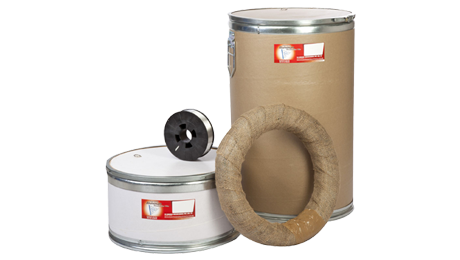
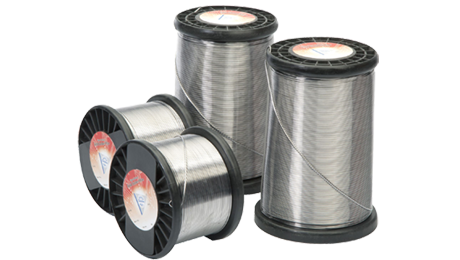
Choose solder wire packaging and spool size according to consumption rate, production volume, dispensing equipment, storage capacity and handling requirements. Small spools can provide greater flexibility for low-volume or multiple applications, while larger reels or spools can reduce handling frequency in high-consumption production environments.
Packaging is often overlooked when buyers compare solder wire products, but it can influence material handling, storage, production interruptions and inventory management.
The same solder specification may be available in different package sizes depending on the manufacturer and product range.
Common Solder Wire Packaging Considerations
| Packaging Factor | Why It Matters |
| Spool size | Determines material quantity per package |
| Wire diameter | Affects the amount of wire that fits on a spool |
| Spool dimensions | Must suit dispensing equipment |
| Packaging material | Protects the solder wire during handling/storage |
| Labelling | Helps identify alloy, flux, diameter and batch |
| Batch identification | Supports traceability |
| Individual packaging | Useful for controlled inventory |
| Bulk packaging | Can suit high-volume operations |
How Do You Choose the Right Solder Wire Spool Size?
Choose spool size based on average consumption, production frequency, equipment compatibility and inventory requirements. High-volume production may benefit from larger spools that reduce replacement frequency, while smaller spools can be more practical for low-volume work or applications requiring several different solder specifications.
Consider the following:
1. Daily Consumption
Estimate how much solder wire is consumed per production shift or day.
2. Production Continuity
If changing a spool frequently interrupts production, a larger package may be more practical.
3. Storage Capacity
Larger quantities require appropriate storage space and inventory control.
4. Product Variety
If your operation uses several alloys or flux types, smaller quantities of each specification may reduce excess inventory.
5. Equipment Compatibility
Check whether the spool dimensions and weight are compatible with the solder feeding or dispensing system.
Large Spool vs Small Spool
| Factor | Smaller Spool | Larger Spool |
| Initial quantity | Lower | Higher |
| Handling | Easier | Requires more handling consideration |
| Spool changes | More frequent | Less frequent |
| Storage | Easier for multiple SKUs | Requires more space |
| Low-volume applications | Often practical | May create excess inventory |
| High-volume production | May require frequent replacement | Often more convenient |
| Multiple solder specifications | More flexible | Less flexible if consumption is low |
Neither packaging size is universally better. The correct choice depends on how the solder wire is consumed in the actual process.
Why Is Batch Identification Important?
Batch identification helps manufacturers and buyers maintain traceability between solder wire, technical documentation and production records. For quality-sensitive manufacturing, identifying the alloy, flux specification, diameter and lot or batch can make it easier to investigate process variations and maintain consistent material control.
A properly labelled solder wire package may identify information such as:
- Product designation
- Alloy
- Flux type
- Flux percentage
- Diameter
- Net weight
- Batch/lot number
- Manufacturing information
- Applicable specifications
- Storage information
For production environments, retaining packaging and batch information can support quality control and traceability.
What Should Be Checked on a Solder Wire Spool Label?
A solder wire spool label should provide enough information to identify the material and distinguish it from other solder specifications. At minimum, buyers should verify the product designation, alloy, wire diameter, flux information where applicable, quantity and batch or lot identification against the purchase specification and technical documentation.
If the label and technical documentation do not match, the material should be verified before production use.
How to Verify Solder Wire Brand & Quality Before Buying
Verify solder wire quality by checking the manufacturer’s identity, technical specification, alloy composition, flux classification, dimensional consistency, batch information and supporting documentation. For important production applications, request technical data and relevant certificates, evaluate samples and validate the material under actual process conditions before approving a supplier for regular procurement.
A brand name alone does not establish whether a solder wire is suitable for a particular application.
Professional buyers should verify the product specification and evidence supporting the specification.
1. Verify the Manufacturer
Check whether the supplier provides clear information about:
- Manufacturing location
- Product range
- Technical capabilities
- Contact information
- Quality documentation
- Product specifications
- Application information
- Relevant certifications, where applicable
For an established industrial supplier such as Kothari Metsol, buyers can review the company’s manufacturing, product and technical information alongside the specific solder wire specification.
2. Check the Exact Alloy
Do not rely only on labels such as:
- Lead-free solder
- Tin solder
- Silver solder
- Premium solder
Ask for the actual alloy designation or composition.
For example, if a process requires a particular tin-silver-copper composition, the procurement specification should identify the required alloy rather than simply stating “lead-free solder.”
3. Verify Flux Information
For flux-cored solder wire, check:
- Flux type
- Flux percentage
- Flux classification
- Halide/halogen characteristics where relevant
- Residue characteristics
- Cleaning requirements
This is especially important because two solder wires with similar alloy compositions can have substantially different flux systems.
4. Check Wire Diameter
Verify the actual wire diameter against the required specification because diameter affects solder delivery and application control. A difference in diameter can change the amount of solder deposited during each operation, making dimensional consistency important for controlled production processes.
For critical applications, dimensional requirements should be specified and verified according to the applicable product documentation or standard.
5. Review Technical Documentation
A reliable industrial solder wire supplier should be able to provide appropriate technical information for the product.
Depending on the application, this can include:
- Technical Data Sheet
- Safety Data Sheet
- Certificate of Analysis
- Certificate of Conformance
- Alloy composition
- Flux classification
- Recommended application information
- Packaging details
- Batch/lot information
Not every document is required for every application, so documentation requirements should be defined according to the buyer’s quality system.
6. Verify Applicable Standards
Quality verification should include checking whether the solder wire complies with the specification or industry standard relevant to the application. For electronics, buyers may evaluate solder and flux classifications under applicable IPC standards, while other industrial applications may have their own material or customer specifications.
Do not claim compliance with a standard unless the specific product documentation supports it.
7. Test Before Full-Scale Procurement
For a new supplier or solder specification, sample testing provides a practical way to evaluate wetting, solderability, residue behaviour, feeding performance and joint quality under actual process conditions. Production approval should be based on the application’s acceptance criteria rather than brand reputation alone.
A practical supplier qualification process can include:
- Documentation review
- Sample evaluation
- Controlled soldering trial
- Joint inspection
- Process compatibility check
- Quality approval
- Initial production order
- Ongoing batch monitoring
This approach is particularly valuable for high-volume manufacturing or safety-critical applications.
Brand Reputation vs Product Quality: What Should Buyers Check?
Brand reputation can help identify established suppliers, but it should not replace technical verification. A professional purchasing decision should combine supplier credibility with product specifications, documentation, consistency, application testing and traceability. The strongest evidence is not simply a brand name; it is a combination of documented specifications and repeatable performance in the intended process.
| Verification Area | What to Look For |
| Manufacturer | Established company information |
| Product | Clearly defined solder specification |
| Alloy | Exact composition/designation |
| Flux | Type, classification and percentage |
| Diameter | Defined dimensional specification |
| Documentation | TDS/SDS/COA/COC as applicable |
| Traceability | Batch or lot identification |
| Testing | Actual application validation |
| Packaging | Correct quantity and identification |
| Support | Technical/application assistance |
This approach helps buyers distinguish between marketing claims and measurable product specifications.
How to Compare Two Solder Wire Brands
When comparing two solder wire brands, compare equivalent specifications rather than comparing brand names alone. Match the alloy, flux type, flux percentage, wire diameter, applicable standard, packaging and application before evaluating price and supplier service. If the specifications are not equivalent, a direct price comparison may produce a misleading result.
For example:
| Parameter | Supplier A | Supplier B |
| Alloy | Same required alloy? | Same required alloy? |
| Lead status | Confirm | Confirm |
| Flux | Same chemistry? | Same chemistry? |
| Flux % | Compare | Compare |
| Diameter | Compare | Compare |
| Standard | Verify | Verify |
| Documentation | Available? | Available? |
| Batch traceability | Verify | Verify |
| Packaging | Equivalent? | Equivalent? |
| Sample testing | Completed? | Completed? |
| Price | Compare | Compare |
The goal is to compare like-for-like specifications.
If one product has a different flux system or alloy, it should not automatically be treated as an equivalent alternative simply because both are described as “solder wire.”
What Makes a Solder Wire Supplier Reliable?
A reliable solder wire supplier should provide clearly defined product specifications, consistent material quality, appropriate documentation, identifiable batches and technical support for application-specific requirements. For recurring industrial procurement, reliability also includes predictable supply, suitable packaging, responsive communication and the ability to maintain consistent specifications across orders.
Look for evidence of:
- Consistent product specifications
- Clear technical documentation
- Batch traceability
- Defined packaging
- Stable supply
- Technical support
- Transparent product information
- Appropriate quality controls
- Application knowledge
- Responsive after-sales support
These factors become increasingly important as solder wire moves from occasional purchasing into regular production procurement.
Final Checklist for Bulk Solder Wire Buyers
Before approving a solder wire supplier for bulk procurement, verify the complete product specification, supplier credentials, technical documentation, packaging, batch traceability and actual process performance. Start with a sample or controlled trial when appropriate, then establish a documented purchasing specification so future orders can be checked against the same requirements.
Technical Verification
- Alloy verified
- Lead status verified
- Flux type verified
- Flux percentage verified
- Wire diameter verified
- Applicable specification identified
- Technical Data Sheet reviewed
Quality Verification
- Manufacturer information checked
- Batch/lot identification available
- Required certificates available
- Sample tested
- Process compatibility confirmed
- Joint quality evaluated
Procurement Verification
- Required quantity calculated
- Spool size selected
- Packaging confirmed
- Storage requirements understood
- Delivery schedule confirmed
- Minimum order quantity confirmed
- Long-term supply requirements discussed
Solder Wire Selection: Alloy vs Flux vs Diameter
Alloy, flux and diameter perform different roles and should be selected together. The alloy controls the metallic composition and melting behaviour, flux supports oxide removal and wetting, while diameter controls solder delivery and operator control. A technically suitable solder wire therefore requires a combination of these three parameters rather than selection based on one feature alone.
| Selection Factor | Main Purpose | Key Question |
| Alloy | Determines solder composition and melting behaviour | Which alloy is compatible with the application? |
| Flux | Supports oxide removal and wetting | What flux chemistry and residue behaviour are required? |
| Diameter | Controls solder delivery | How much solder needs to be deposited? |
| Flux % | Controls flux delivery characteristics | What level is appropriate for the process? |
| Lead Content | Determines regulatory/material requirements | Is lead permitted for this application? |
| Residue | Influences post-solder processing | Does the assembly require cleaning? |
| Standard | Defines relevant material requirements | Which specification applies? |
This is why a proper solder wire buying guide should evaluate the complete specification rather than treating alloy, flux and diameter as separate purchasing decisions.
How Kothari Metsol Can Help With Solder Wire Selection
Kothari Metsol offers soldering material solutions across different solder wire and flux-related requirements. Buyers should evaluate the available product specifications, alloy, flux type, diameter and application requirements before selecting a product. For specialised industrial requirements, discussing the technical application and required specifications with the manufacturer can help identify an appropriate solder material.
When evaluating solder wire from Kothari Metsol, buyers can review the relevant product information according to their application.
The selection process should consider:
- Required solder alloy
- Lead-free requirements
- Flux type
- Wire diameter
- Intended application
- Technical specifications
- Packaging requirements
- Applicable standards
Rather than selecting a solder wire solely from a generic product category, provide the manufacturer with the actual application requirements wherever the specification is critical.
Solder Wire Buying Guide: Quick Decision Table
The simplest way to select solder wire is to start with the application, identify the required alloy, choose a compatible flux system and then select the wire diameter based on joint size. After that, verify temperature, residue, cleaning, standards and documentation. This approach prevents buyers from selecting solder wire based on only one characteristic such as alloy or price.
| If Your Priority Is… | Focus On… |
| Fine solder joints | Smaller, controllable wire diameter |
| Lead-free manufacturing | Appropriate lead-free alloy |
| Controlled residue | Suitable flux classification and cleaning process |
| Difficult-to-wet surfaces | Appropriate flux activity |
| High production consistency | Complete material specification and process validation |
| Larger joints | Suitable larger wire diameter or solder form |
| Minimal post-solder cleaning | Appropriate no-clean formulation, if compatible |
| Electronics | Alloy + flux + diameter + residue + process temperature |
| Industrial soldering | Base metal + flux activity + joint size + process conditions |
Frequently Asked Questions
1. How do I choose the right solder wire?
Choose solder wire by matching the alloy, flux chemistry and wire diameter to the application. First identify the metals being joined and whether lead-free solder is required. Then evaluate flux activity, residue, soldering temperature and joint size. For production applications, confirm the technical specification and test the selected solder wire under actual process conditions.
2. What is the best diameter for solder wire?
There is no single best solder wire diameter for every application. Smaller diameters generally provide greater control for fine joints, while larger diameters can deliver more solder to larger connections. The correct diameter depends on joint size, component spacing, solder volume and application method. Always select the diameter according to the actual joint rather than using one standard size.
3. What is the difference between leaded and lead-free solder wire?
Leaded and lead-free solder wires differ primarily in alloy composition and therefore can differ in melting behaviour, processing temperature and application requirements. Lead-free solder is required for applications where lead restrictions apply, but the exact alloy should still be selected according to the process. Equipment capability, component temperature limits and applicable customer or regulatory requirements should also be considered.
4. Is rosin flux better than no-clean flux?
Rosin and no-clean flux systems serve different process requirements, so neither should be considered universally better. Rosin formulations may provide specific wetting and residue characteristics, while no-clean formulations are designed for applications where cleaning may be reduced or eliminated under suitable process conditions. The correct choice depends on assembly requirements, flux classification, residue tolerance and manufacturing process.
5. What does flux percentage mean in solder wire?
Flux percentage represents the amount of flux incorporated into a flux-cored solder wire and affects how much flux is delivered during soldering. Different applications may require different flux levels depending on the chemistry, joint condition and process. Buyers should compare both flux percentage and flux classification because percentage alone does not describe the complete performance of a flux system.
6. Can the same solder wire be used for all applications?
No, one solder wire should not automatically be considered suitable for every application. Electronics, electrical connections and industrial metal joining can require different alloy compositions, flux chemistries and wire diameters. Base-metal compatibility, soldering temperature, joint geometry, residue requirements and applicable standards should be evaluated before selecting a solder wire for a new application.
7. What information should I provide when buying solder wire?
When requesting solder wire, provide the application, metals being joined, required alloy or lead-free status, preferred flux type, wire diameter, soldering process and packaging requirement. For critical applications, also specify applicable standards, residue or cleaning requirements and technical documentation needs. Providing these details helps the manufacturer recommend a material that matches the actual process.
Final Solder Wire Buying Checklist
Before purchasing, make sure you can answer these questions:
Application: What materials are being joined?
Alloy: Which solder composition is appropriate?
Compliance: Is lead-free solder required?
Flux: Which flux chemistry and activity are suitable?
Diameter: What wire size provides the required control and solder volume?
Temperature: Can the equipment and components handle the required soldering temperature?
Residue: Can flux residue remain, or is cleaning required?
Standard: Which material specification applies?
Documentation: Do you require a TDS, SDS, certificate or batch information?
Testing: Has the solder wire been validated under the actual process conditions?
A complete answer to these questions provides a much stronger basis for solder wire selection than choosing a product based solely on alloy, price or a generic “solder wire” description.
Conclusion
Selecting solder wire is a technical decision that involves more than choosing a metal alloy. The alloy determines the metallic composition and melting behaviour, flux supports oxide removal and wetting, and wire diameter controls solder delivery and application precision. The right combination depends on the materials being joined, process temperature, joint size, residue requirements and applicable specifications.
For buyers comparing solder wire options, the most practical approach is to evaluate the complete specification: alloy + flux + flux percentage + diameter + application + process requirements.
Kothari Metsol’s soldering material range can be evaluated according to these parameters, helping buyers identify products suitable for their particular soldering requirements.
When the application is technically critical, consult the relevant technical documentation and validate the solder wire under actual process conditions before moving to large-scale production.
Pingback: SAC305 vs Sn63/Pb37: Choosing the Right Solder Alloy for Your Application -
Pingback: Lead-Free vs Leaded Solder Wire: RoHS Compliance Guide
Pingback: Common Solder Joint Defects: Causes & Prevention